
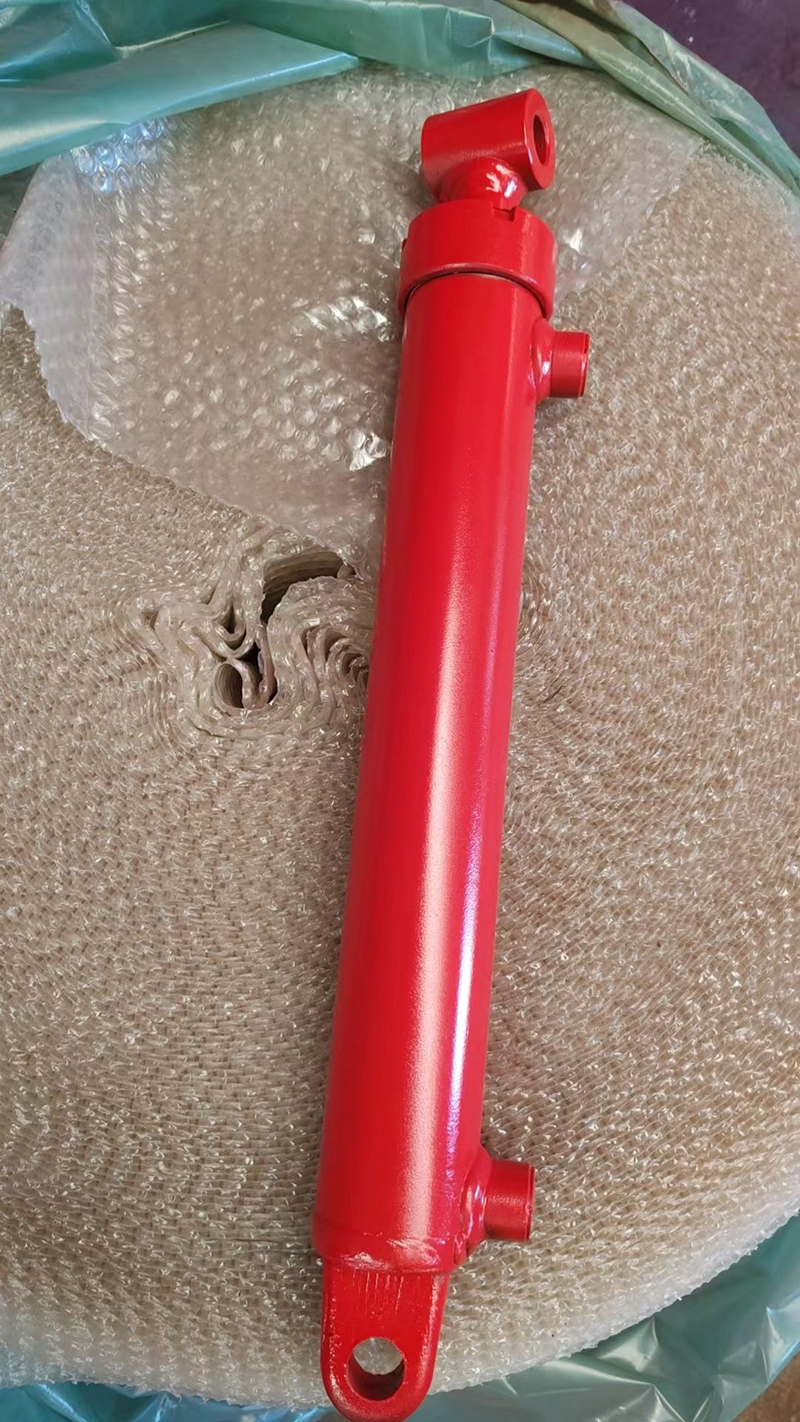
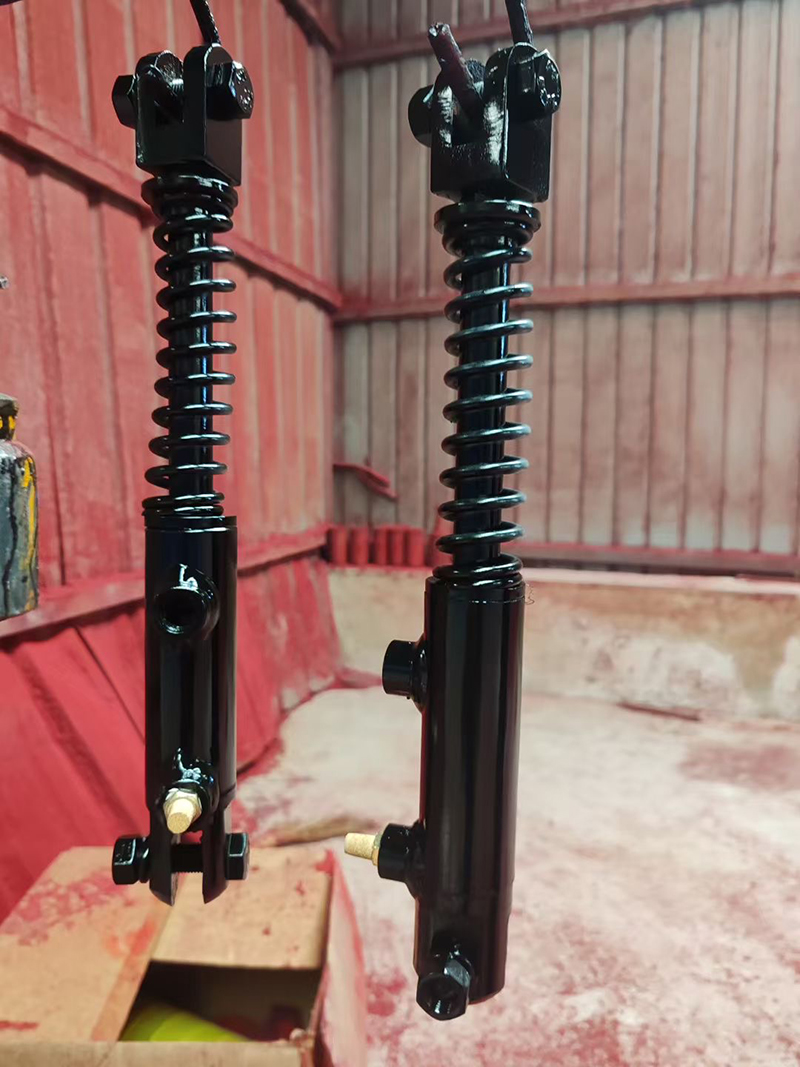
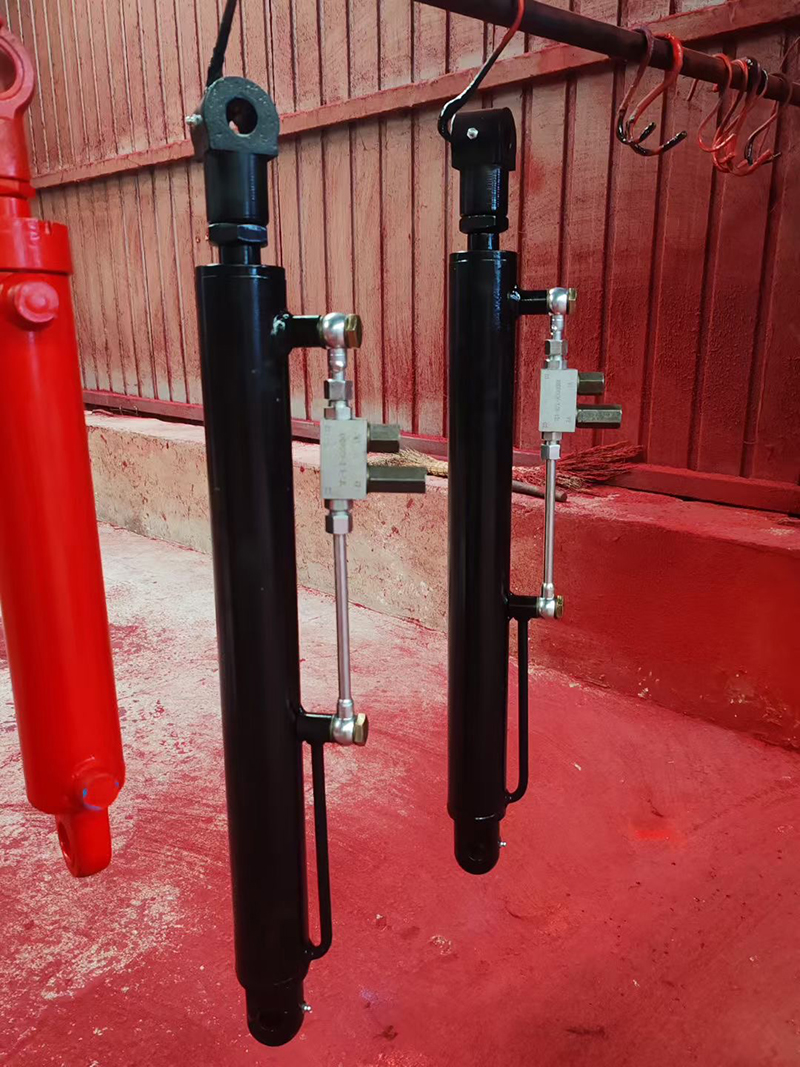
Hydraulic Cylinder
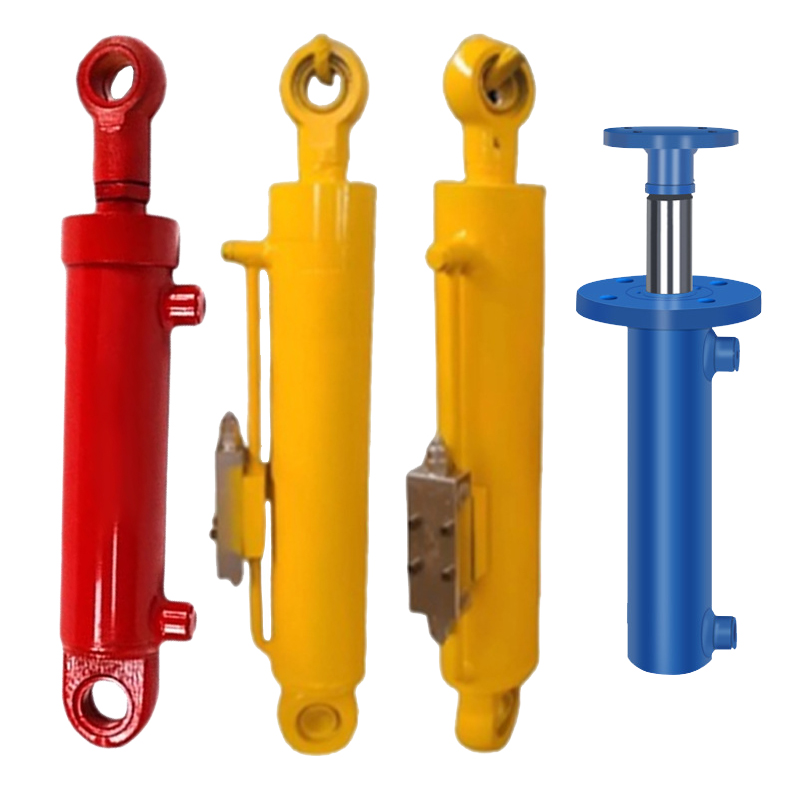
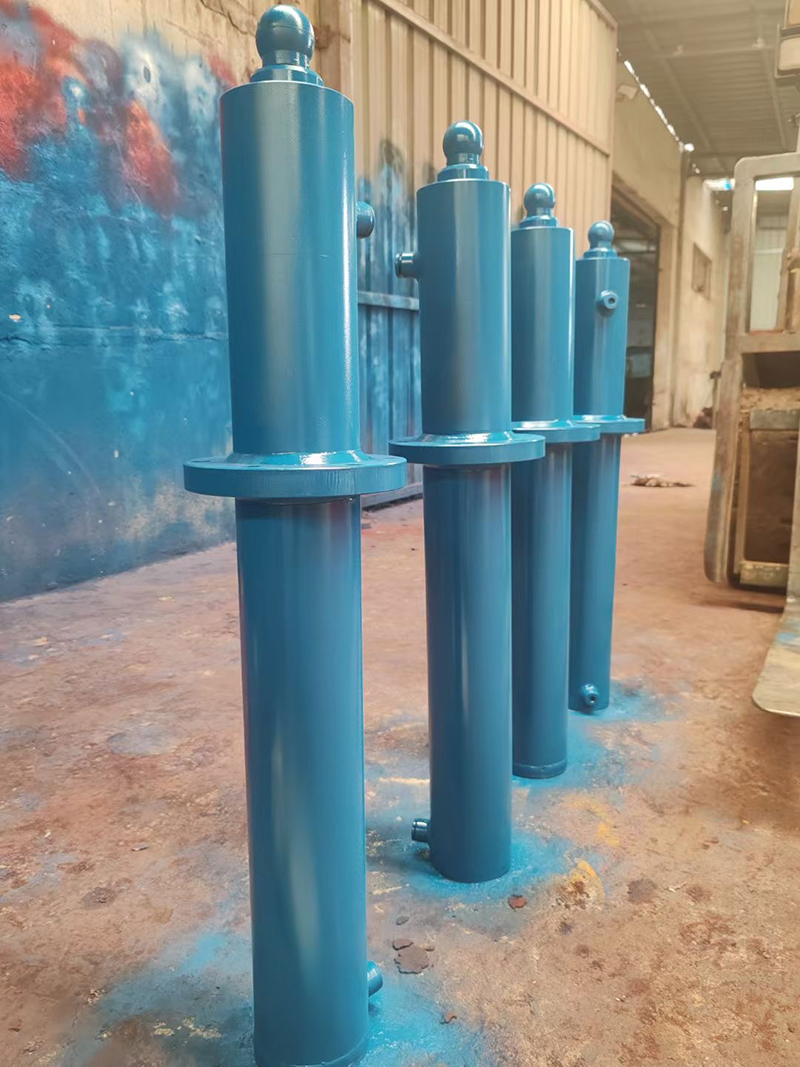
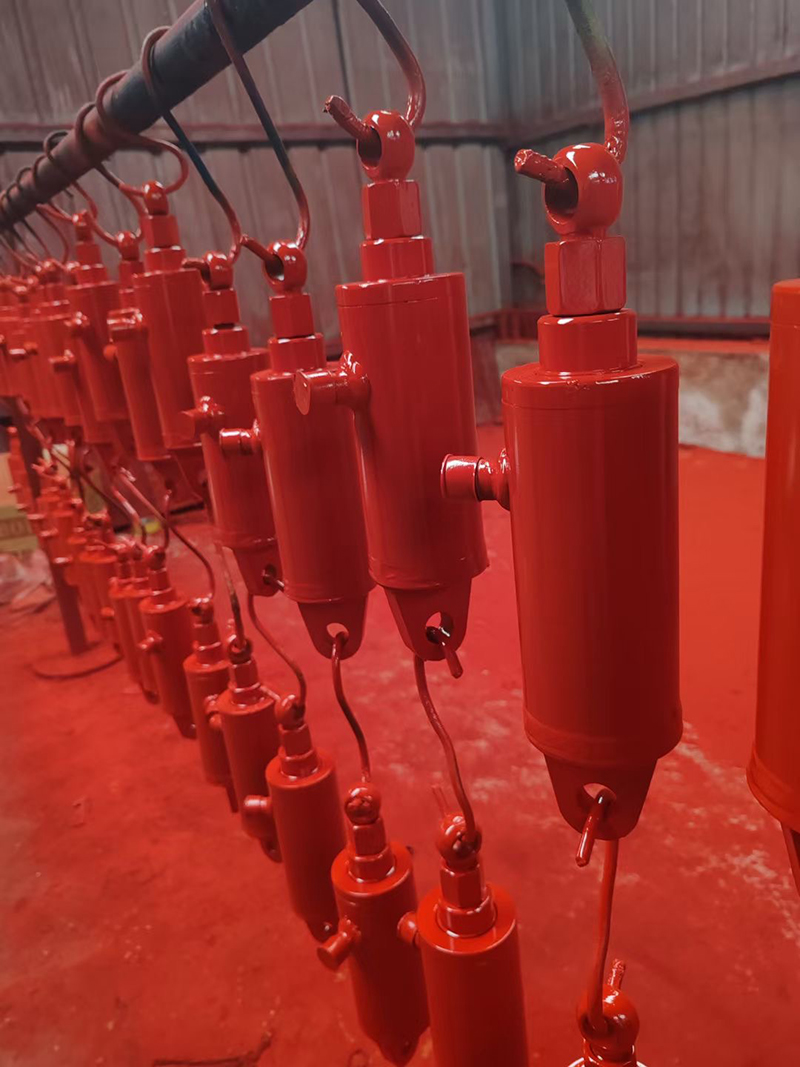
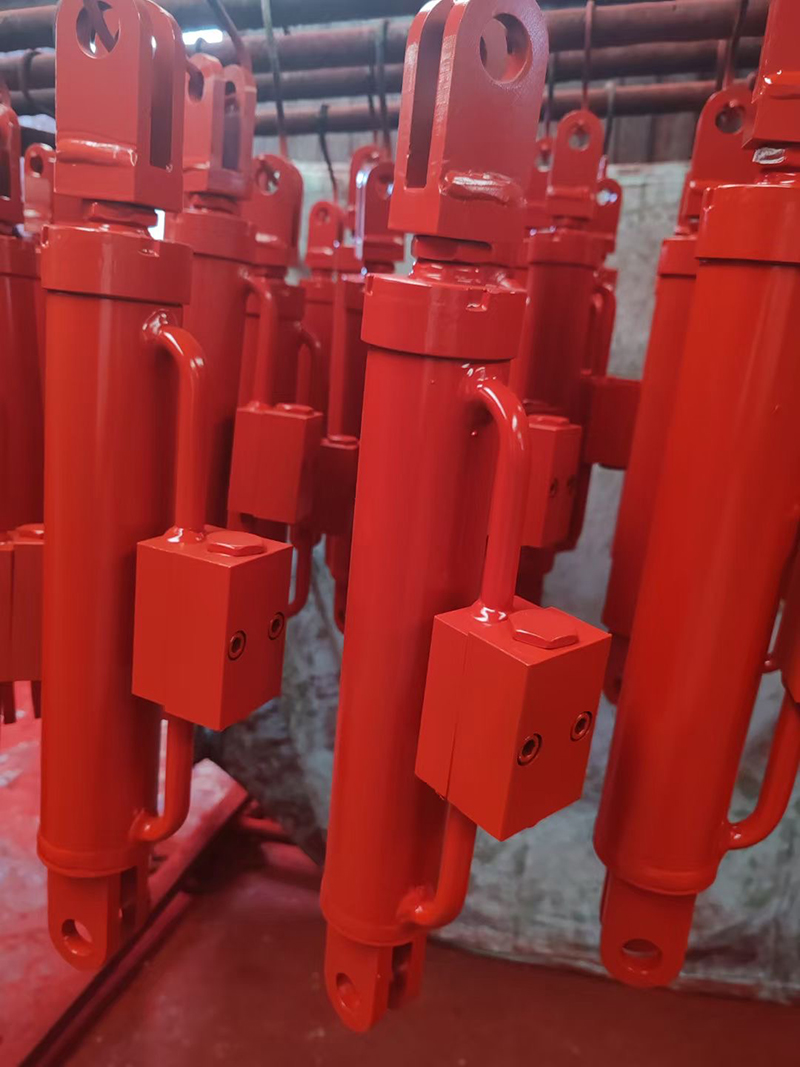
Hydraulic cylinders are the “muscles” in hydraulic systems, responsible for converting oil pressure into linear thrust or tension to drive machines to work. It has a simple structure and strong strength, and is widely used in construction machinery, machine tools, and metallurgical equipment. It can directly convert hydraulic energy into mechanical energy and move smoothly without the need for additional deceleration devices
Description
Working principle of hydraulic cylinder
The core task of hydraulic cylinders is to “push” and “pull”, relying on the pressure of hydraulic oil to drive the piston back and forth in the cylinder.
- Basic structure: It mainly consists of a cylinder barrel, piston, piston rod, end cap, and seal, like a large syringe, and the piston moves when oil enters.
- Working principle: Hydraulic oil drives the piston to move linearly in the cylinder through pressure, achieving the output of mechanical energy. The magnitude of the output force is proportional to the piston area and the oil pressure difference.
- Energy conversion: It is an executive component in hydraulic transmission systems that converts hydraulic energy into mechanical energy. Unlike hydraulic motors, hydraulic cylinders mainly perform reciprocating motion rather than continuous rotation.
Reviews
There are no reviews yet.